
Tracker or immobiliser: which does your car need?
The short answer: they solve different halves of the problem. An immobiliser works before a theft, by adding a step a thief has to beat before the engine will run and the car can be driven. A tracker works after a theft, by reporting where the car is so it can be found. If your insurer names one, start there. If the choice is yours, the five questions below usually settle it in a few minutes.
What each one actually does
A modern factory immobiliser checks that the right key is present. Aftermarket immobilisers add a second check of their own, such as a code entered on buttons already in the car or a small tag carried by the driver, so a copied or relayed key signal is not enough on its own. None of this stops a vehicle being lifted onto a truck, and the protection depends on the product and how well it is installed.
A tracker contains a location module and its own power backup. Monitored trackers report unexpected movement to a control room, which can work with the police once a theft is reported. Recovery is never certain: it depends on signal, speed of reporting, where the vehicle is taken and police response.
| Question | Immobiliser | Tracker |
|---|---|---|
| When it helps | Before the car is driven away | After the car has been taken |
| Main aim | Make driving it away harder | Locate it for recovery |
| Ongoing cost | Usually none after fitting | Usually a monitoring subscription |
| Towing or lifting | Does not prevent it | Can still report the location |
| Insurer conditions | Sometimes requested | More often written into policies |
Five questions that decide it
- What does your insurer require? If the policy schedule names a tracker category, an immobiliser alone will not meet it, and the reverse is also true. Get the wording in writing first.
- How would a thief most likely take your car? Cars with keyless entry are often taken by capturing or copying the key signal. A second authorisation step targets exactly that. Vans and plant are also loaded onto trailers, which is where a tracker earns its keep.
- Where does it sleep? A car on an open street or shared car park is exposed for longer than one in a locked garage. Long, unwatched hours favour adding prevention.
- Are you happy with a subscription? Monitored tracking normally runs on an annual or monthly plan. An immobiliser is usually a one-off cost, though the fitted price is often higher.
- Who else drives it? With an immobiliser, every driver needs to know the code or carry the tag. Ask how spare access and an emergency override work before you book.
When both make sense
For higher-value or frequently targeted models, layering the two is common: the immobiliser makes the first attempt harder, and the tracker is there if the car still goes. Ask an installer for one quote covering both, so the fitting is planned together and wiring is not disturbed twice.
What neither replaces
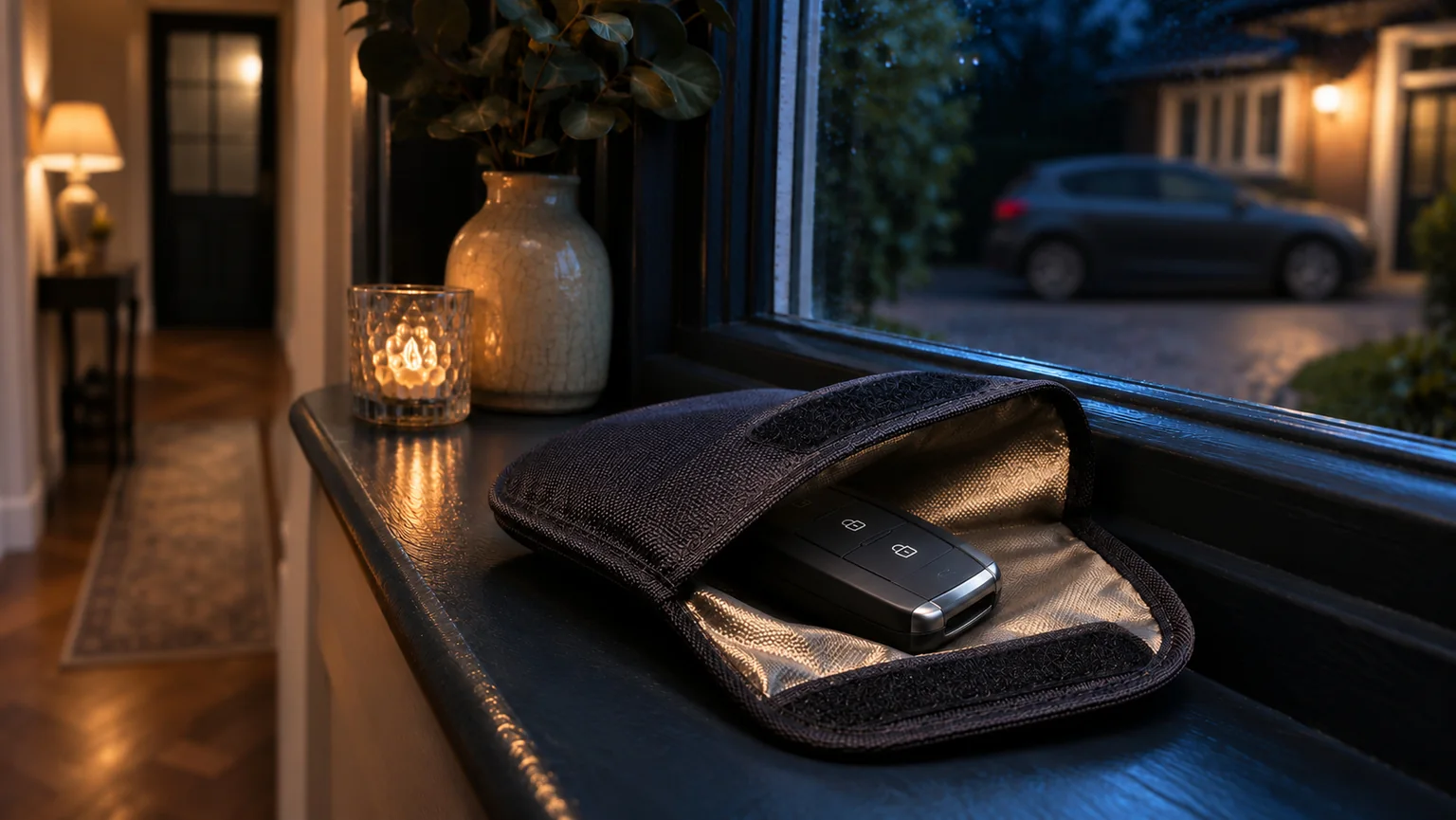
Police-backed advice still applies whichever you choose: keep keys and fobs out of sight and away from doors, and use a signal-blocking pouch for keyless fobs. A visible steering lock adds a physical barrier too. See the Secured by Design car security advice, the official police security initiative.
Read more in our aftermarket immobiliser guide, trackers explained and S5 vs S7 comparison.
Common questions
Will an immobiliser stop keyless theft?
It adds a second authorisation step, so a relayed or copied key signal alone should not be enough to drive away. No product makes theft impossible, and protection varies by model and installation.
Does a tracker stop a car being stolen?
No. A tracker helps locate a vehicle after it has been taken. Its job is recovery support, which is why many owners pair it with prevention.
Can I fit both?
Yes, many installers fit both in one visit. Ask for a single quote so the work is planned together.
Will either reduce my premium?
Sometimes, but not reliably. Insurers decide this case by case, so ask yours before you buy.